
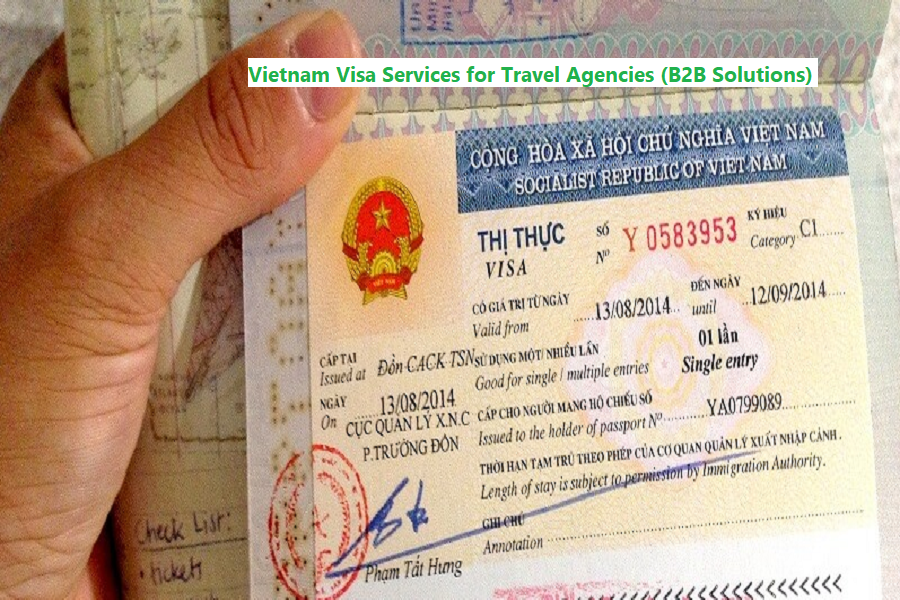
Planning a trip to Vietnam involves understanding crucial visa requirements for tourists, business travelers, and those in transit. Different visa types serve unique purposes while regulations vary based on nationality. For travel agencies, incorporating B2B visa services can streamline the application process, enhance client satisfaction, and reduce administrative burdens. This guide outlines best practices for navigating Vietnam’s visa services, helping agencies communicate effectively with clients amidst evolving regulations. Discover how integrating visa services enhances customer experiences while simplifying travel planning. Stay updated on processing times and partner with reliable visa providers to ensure smooth operations. Adapting to challenges and continuous learning positions travel agencies for success in providing excellent service in a competitive landscape.
Understanding Vietnam Visa Requirements
When planning a trip to Vietnam, it is essential for travelers to comprehend the visa vietnam requirements that apply to their specific situation. Vietnam offers various types of visas, primarily categorized into tourist, business, and transit visas. Each type of visa serves a distinct purpose and comes with specific regulations that travelers must adhere to.
The tourist visa, often issued for a period ranging from 30 days to 90 days, is designed for individuals visiting Vietnam for leisure. Alternatively, business visas are tailored for professionals engaging in business-related activities, such as attending meetings or establishing commercial ties. These visas typically allow for longer stays and may come with multiple entry options, enabling business travelers to enter and exit as needed. Additionally, transit visas are required for travelers passing through Vietnam en route to another destination, permitting brief stays.
Understanding the visa requirements is particularly important, as they vary based on the traveler’s nationality and the purpose of their visit. Different countries may have different agreements or exceptions in place, affecting the visa application process. For instance, citizens of certain nations can enter Vietnam visa-free for specified durations, which makes it critical for travel agencies to stay updated on these regulations.
Travel agencies frequently field inquiries regarding visa validity, processing times, and the necessary documentation. Typically, travelers must provide a valid passport, passport-sized photographs, and any additional supporting documents relevant to their visa type. Processing times can vary, with tourist visas generally being quicker to obtain than business visas. It is advised to submit visa applications well in advance of travel dates to ensure a smooth experience.
B2B Visa Services: How Travel Agencies Can Streamline the Process
In today’s competitive travel landscape, travel agencies are continually seeking ways to enhance their service offerings and optimize their operations. One significant area that can greatly benefit from improvement is the visa vietnam online application process. B2B visa services have emerged as a solution, allowing travel agencies to streamline operations and provide a smoother experience for their clients.
By partnering with specialized visa service providers, travel agencies can offer their clients faster processing times. These providers often have established connections with embassies and consulates, enabling them to expedite applications and ensure timely approvals. The ability to process applications swiftly is essential, especially during peak travel seasons when demand is high.
Another advantage of B2B visa services is the capability for bulk visa applications. Travel agencies often deal with group bookings, whether for corporate travel or leisure tours. With B2B services, they can submit multiple applications simultaneously, saving time and reducing administrative burdens. This bulk processing feature is not only efficient but also minimizes the chances for errors that could arise from handling individual applications.
Additionally, dedicated support from B2B visa service providers can significantly enhance the travel agency’s customer service. These providers typically offer resources and guidance throughout the application process, making it easier for agencies to assist their clients with any inquiries or issues that may arise. Having a reliable partner to consult reduces stress on the travel agency’s staff and improves overall service delivery.
Case studies reveal how successful collaborations between travel agencies and visa service providers have transformed the way agencies operate. For instance, a travel agency that partnered with a B2B visa service reported a 40% reduction in processing times and improved customer satisfaction rates. Such examples illustrate the tangible benefits of leveraging B2B visa services for a more efficient operation.
Integrating Visa Services into Your Travel Agency’s Offering
Integrating visa services into your travel agency’s offerings can significantly enhance the overall customer experience and streamline travel planning for clients. To begin, it is essential to promote these services effectively. Leveraging your website and social media platforms can yield excellent visibility; consider creating dedicated sections that outline the various visa options available for different destinations, as well as the application processes involved. Providing this information in a clear and accessible manner helps clients understand the value you add to their travel plans.
In addition to online promotion, training your staff to handle visa-related inquiries is crucial. Equip your team with the necessary knowledge about different visa types, requirements, and processing times. Regular training sessions or workshops can help ensure staff remain updated with the latest visa policies. Furthermore, having a designated point of contact for visa services can streamline communication and increase efficiency in your agency.
Utilizing technology is another effective strategy for managing visa applications. Implementing software solutions that allow clients to fill out visa forms online, track their application status, and receive notifications about any updates can save valuable time and reduce errors. In an age where efficiency and accessibility are paramount, investing in technology that facilitates visa management could enhance your agency’s reputation as a comprehensive travel solution.
Moreover, consider packaging visa services with travel itineraries, flights, and hotel bookings to offer clients a holistic travel experience. Bundling these services provides clients an all-inclusive package while minimizing stress associated with planning. By presenting visa services as an integral part of their travel arrangements, your agency can foster a seamless and enjoyable travel planning process for clients.
See also this article: Overstayed Visa in Vietnam: Legal Support Services
Navigating Challenges in Vietnam Visa Services: Tips and Best Practices
Travel agencies often encounter various challenges when navigating Vietnam’s visa services. These may include frequent changes in visa regulations, unexpected processing delays, and the complex task of managing client expectations regarding visa approval times. Understanding these challenges is essential to providing exceptional service and ensuring a seamless travel experience for clients.
One significant challenge is the evolving nature of visa policies, which can change frequently due to government regulations. Travel agencies must stay informed about the latest updates to visa requirements, application procedures, and additional documentation necessary for approval. This can involve subscribing to relevant newsletters, following updates from the Vietnamese immigration department, and networking with fellow travel experts.
Processing delays are another common hurdle that agencies face. Clients often experience anxiety when their visa applications are pending, leading to frustration and uncertainty. To alleviate this issue, travel agencies should set realistic timelines for visa processing based on historical data and current processing times. Clearly communicating these timelines to clients can help manage their expectations and reduce potential dissatisfaction.
Establishing strong relationships with reliable visa service providers is crucial. Agencies should partner with providers known for prompt service and good communication. These relationships can lead to prioritization in processing times and access to expert advice when navigating complex cases.
Continuous learning is vital in adapting to the ever-changing landscape of visa services. Agencies should invest in training sessions, workshops, or online courses to enhance their knowledge and skills. By keeping pace with industry trends and regulatory changes, agencies can improve their offerings and maintain a competitive edge.
In conclusion, effectively navigating the challenges in Vietnam visa services requires proactive strategies, strong communication, and continuous knowledge enhancement. Successful travel agencies that implement these best practices will be better positioned to serve their clients efficiently and effectively.
Liên hệ đơn vị
VisaVietnamOnline
- Address: 1728 Big Canyon Trail, Carrollton, TX 75007, US
- Phone: +1(972)-666-0676
- WhatsApp:(+84)968 18 77 18
- Email:[email protected]
- Website: visavietnamonline.org
