
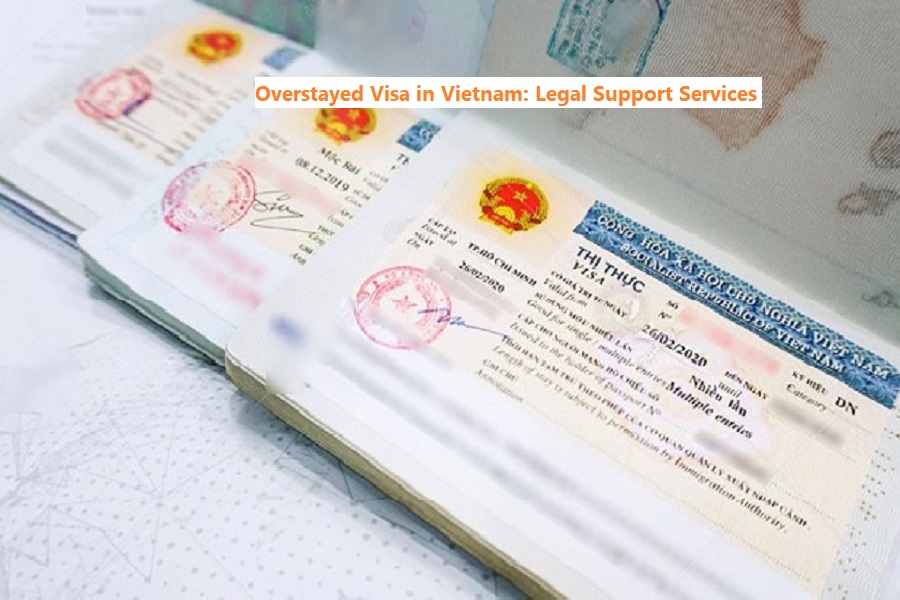
Understanding visa overstays in Vietnam is crucial for anyone visiting or residing in the country. Overstaying a visa can lead to significant fines, deportation risks, and restrictions on future travel. It’s essential to know the types of visas available, their durations, and the legal framework governing immigration. All foreign nationals have rights and obligations concerning their visa status, and engaging with reputable legal support services can help navigate these complexities. If you find yourself in an overstayed situation, taking prompt action by contacting immigration authorities and being informed about your options can mitigate potential penalties. This guide outlines steps to resolve visa overstays and highlights the importance of understanding the legal aspects of residing in Vietnam.
Understanding Visa Overstay in Vietnam
Overstaying a visa in Vietnam occurs when an individual remains in the country beyond the validity period established by their visa. This situation can arise for numerous reasons, including unexpected travel delays, a lack of awareness regarding visa expiration dates, or unforeseen personal circumstances. Regardless of the motive, it is important to understand the implications that accompany a visa overstay in Vietnam.
The consequences of overstaying a visa vietnam can be severe. Foreign nationals may face substantial fines, often accruing on a daily basis, which can significantly impact one’s finances. In addition to immediate financial penalties, individuals caught in violation of their visa terms may be subject to deportation. This could lead to an expedited exit from Vietnam, with additional complications such as the confiscation of personal belongings. Furthermore, there is the potential for restrictions on future travel; those who overstay may face bans on re-entering the country, making it difficult to return for business or leisure.
Vietnam offers a variety of visa types, including tourist, business, student, and work visas, each with its respective duration and implications. Tourist visas typically permit stays ranging from 15 to 30 days, while business visas can allow for more extended periods, sometimes up to 12 months with appropriate extensions. It is crucial for visa holders to be aware of their visa conditions and to proactively monitor the expiry date to avoid any complications.
In summary, understanding visa overstays is vital for anyone traveling to Vietnam. Awareness of both the types of visas available and the potential consequences of overstaying enables visitors to navigate the intricacies of Vietnamese immigration laws effectively.
Legal Rights and Obligations of Foreigners in Vietnam
Foreigners residing in Vietnam must adhere to specific legal frameworks that govern their stay, especially regarding visa overstays. Under Vietnamese immigration law, individuals who overstay their visas can face serious consequences, including fines, detention, or even deportation. However, it is essential to understand the rights and obligations that accompany such situations.
Legally, all foreigners in Vietnam have the right to seek legal assistance when facing immigration complications. This includes any issues arising from an overstayed visa vietnam online , where individuals can contact legal support services or immigration lawyers who specialize in Vietnamese law. Affected individuals are entitled to receive clear guidance on their circumstances, including options for rectifying their visa status.
Moreover, foreigners may appeal decisions made by local immigration authorities, ensuring that they are treated fairly under the law. The legal framework stipulates that those with overstayed visas are allowed a specific period to rectify their status or to voluntarily depart before facing penalties. Understanding these rights can provide significant relief to individuals who may feel overwhelmed by their immigration situation.
It is important to note that while foreigners have rights, they also bear obligations. The law mandates that they maintain valid visas, adhere to local laws, and report any changes in their circumstances to the appropriate authorities. Failure to comply with these obligations may lead to complications that could exacerbate their legal predicament.
In conclusion, navigating the legal aspects of overstaying a visa in Vietnam requires understanding both rights and obligations. Engaging with legal support services can aid foreigners in ensuring their rights are upheld while addressing their immigration issues appropriately.
Finding Effective Legal Support for Visa Issues
When faced with visa issues in Vietnam, particularly an overstayed visa, finding reliable legal support is crucial. Selecting a legal service requires careful consideration of several key factors to ensure that the assistance received is both effective and appropriate. One of the primary considerations is the legal firm’s experience in immigration law, specifically their familiarity with the nuances of visa regulations in Vietnam. Those who specialize in this area are more likely to provide valuable insights and strategies relevant to your specific situation.
Another important factor is the firm’s reputation among expatriates and locals alike. Online reviews, referrals, and testimonials can be instrumental in identifying law firms that are well-regarded for their relationship with clients and success rates in navigating visa challenges. Transparency in fees and services provided is also essential, as this prevents any misunderstandings concerning costs and what legal support entails.
The types of legal assistance available to individuals confronting visa issues in Vietnam typically encompass a wide range of services. This may include advice on managing overstayed visas, potential negotiations with authorities to explain circumstances, or representation during legal proceedings. A qualified legal professional can help to clarify obligations and rights, thereby empowering individuals to make informed decisions regarding their futures in Vietnam.
Several reputable law firms are recognized for their expertise in immigration matters. Noteworthy firms often include those that specifically advertise their services to expatriates, ensuring they understand the unique challenges faced by foreigners. Additionally, resources such as expat forums and community groups can serve as valuable platforms for recommendations. Utilizing these avenues can lead to the identification of competent legal practitioners capable of assisting with pressing visa issues in Vietnam.
See also this article: Urgent Vietnam Visa for Business Travelers
Steps to Resolve an Overstayed Visa Situation
Navigating the process of addressing an overstayed visa in Vietnam requires careful consideration and adherence to proper procedures. The first step for individuals in this situation is to approach the nearest immigration authority. It is essential to make this visit in a timely manner, as delays can result in increased penalties or even legal complications. Upon arrival at the immigration office, one should bring all relevant documentation related to their stay, including the visa, passport, and any previous communications with immigration services.
Next, individuals should inquire about the possibility of extending or renewing their visa. Vietnam’s immigration policies allow for the extension of certain visa categories under specific conditions. To initiate this process, applicants must complete the required forms, which can often be obtained at the immigration office or through their official website. Additionally, it is crucial to prepare for any associated fees that may be required for the extension application.
If an overstayed visa results in fines, it is vital to clarify the amount with the immigration authorities. Payments can often be made directly at the immigration office, although some cases may require consultation with related governmental departments. Understanding the applicable fines and payment processes can help mitigate the risk of further complications.
In situations deemed particularly serious or complicated, seeking legal advice is highly recommended. Engaging the services of a qualified legal expert who specializes in immigration issues can provide valuable insights and support. These professionals can guide individuals through each step of the process, helping to ensure compliance with local laws and reduce penalties wherever possible.
By following these practical steps, individuals can effectively address their overstayed visa situation, minimize potential repercussions, and work toward resolving their immigration status in Vietnam systematically and legally.
Liên hệ đơn vị
VisaVietnamOnline
- Address: 1728 Big Canyon Trail, Carrollton, TX 75007, US
- Phone: +1(972)-666-0676
- WhatsApp:(+84)968 18 77 18
- Email:[email protected]
- Website: visavietnamonline.org
